Once Your Nervous System Has Tasted Safety, The Old Triggers Move at Relativistic Speeds
For a long time, I couldn’t understand why re-engaging with my mother in 2019 hit me so much harder than it ever had before.
I’d already survived decades with her.
I’d already been through multiple recovery attempts.
I’d already naturally experienced time away from my mother, and then come back more than once.
So why did it suddenly feel like the triggers went from “background noise” to warp speed?
The answer didn’t make sense to me at first.
Now it makes perfect sense.
Healing Changes the Speed of Impact
From 2014 through about 2017, something important happened in my life that I didn’t fully understand at the time:
- I had over three years of total abstinence from substances.
- My mother had already moved out of state.
- I wasn’t her primary emotional dumping ground anymore.
- My nervous system had real space to regulate again.
- And just before my daughter’s fifteenth birthday, she and I reconnected after a 6 year gap in our relationship.
That reconnection changed me.
It wasn’t dramatic.
It wasn’t sudden.
It was slow, careful, and precious — the way trust rebuilds when both people have been hurt.
For the first time in a long time, I wasn’t just surviving.
I was showing up as a father again.
I wasn’t healed — but I was anchored.
That period quietly rewired me in more ways than I realized.
Re-Enmeshment After Regulation Feels Like Shock
So when I re-engaged more heavily with my mother in 2019, my system wasn’t re-entering chaos as a familiar baseline anymore.
It was re-entering chaos after tasting safety, sobriety, and restored attachment with my children.
That’s the difference.
When you grow up in trauma, dysfunction feels slow and normal.
When you return to it after some time away, it feels compressed, violent, and immediate.
Same behavior.
Different nervous system.
Radically different impact.
Once I re-entered closer contact:
- Emotional dumping escalated fast.
- Old roles lit up immediately.
- Guilt returned.
- Hypervigilance returned.
- The urge to escape returned.
From the outside, it might have looked like relapse behavior.
From the inside, it was something else entirely:
My body was saying, “This environment is no longer survivable.”
What once took years to wear me down now took mere months.
Not because I was weaker —
but because I was stronger and more awake.
The Quiet Lies You Don’t Notice Until Years Later
Here’s where something strange surfaced — something that seems small, but isn’t.
Growing up, my mother used to casually joke that if I’d been born just a few days later, I would’ve been a leap-year baby.
It was framed as a cute story.
A nothing detail.
Just one of her many “quirks.”
I didn’t question it for decades.
Then sometime around 2020, it finally clicked in my brain:
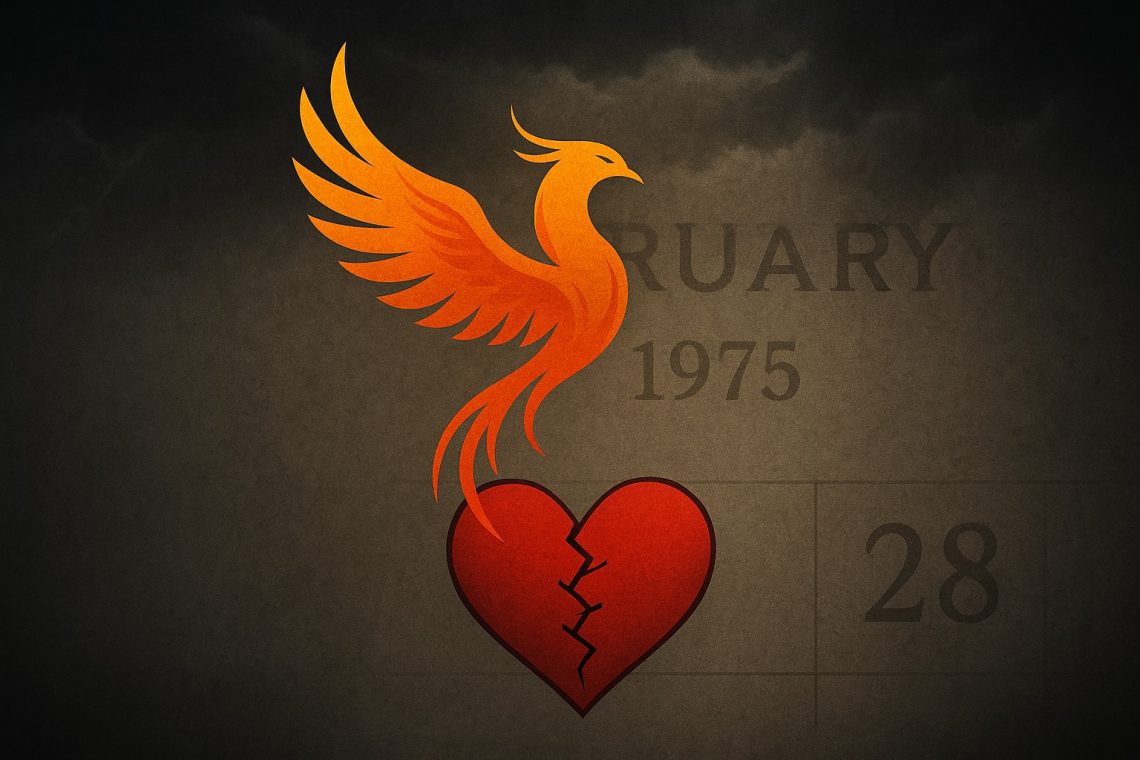
I was born at the end of February 1975.
1975 wasn’t a leap year.
Her story was not just fuzzy.
It was mathematically impossible.
Why That Tiny Lie Isn’t Tiny at All
On the surface, this seems like an inconsequential memory.
But trauma doesn’t work on the surface.
That “leap-year joke” quietly proves something much deeper:
- Reality was being bent casually.
- Even fixed things — like calendars — were treated as flexible.
- I was trained to accept her version over logic itself.
- I wasn’t allowed to verify.
- I wasn’t allowed to question.
- I wasn’t allowed to trust my own mind.
And once you realize a parent can casually lie about something as fixed as a birthdate…
You understand how a man’s entire identity as your father can be erased by her, without even blinking.
Small lies train you not to notice the big ones.
Why I Couldn’t See It Then — And Why I Can Now
People sometimes ask, “How did you not notice?”
The honest answer is:
I was trained not to.
Children in narcissistic systems aren’t just lied to.
They’re trained to doubt the act of noticing itself.
So the fact that I finally saw it in 2020 matters more than the lie itself.
It meant my mind was coming back online.
The fog was thinning.
The phoenix was already stirring — years before the full unmasking.
Why Healing Makes Triggers Louder, Not Quieter at First
This is the part many people don’t expect:
When you start healing, things don’t immediately feel easier.
They feel sharper.
Because:
- You now notice what you once dissociated from.
- You now feel what you once numbed.
- You now register violations in real time.
- You now have contrast between safety and chaos.
- You now have something real to protect.
So when dysfunction appears again, it doesn’t feel familiar.
It feels jarringly wrong.
And that’s not regression.
That’s clarity.
You’re Not “Too Sensitive” — You’re Too Awake
If your triggers feel louder after healing…
If old environments suddenly feel unbearable…
If old relationships suddenly feel intolerable…
If old roles suddenly feel suffocating…
You are not breaking down.
You are outgrowing the cage you once survived in.
And when a cage no longer fits, even touching it hurts.
The Truth I Live By Now
I didn’t regress in 2019.
My nervous system simply refused to pretend that chaos was normal ever again — especially after it had known sobriety, distance, and the quiet healing that came with reconnecting with my children.
And the leap-year lie?
It wasn’t about a date.
It was proof that I had been trained — very early — to accept someone else’s version of reality over my own.
That training is over now.