
What childhood silence teaches the nervous system
For a long time, I thought my relationship with anger was broken.
When I finally spoke up, it didn’t come out measured or tidy.
It came out cataclysmic — a scorched-earth eruption that left people stunned and me wondering how things escalated so fast.
What I understand now is this:
It didn’t escalate fast.
It waited too long.
The Kid Who Learned to Stay Quiet
I was picked on growing up.
Not relentlessly, but consistently enough that it left a mark.
Most of the time, I didn’t fight back. I watched. I absorbed. I endured.
A few exceptions stand out — one in particular where I defended my sister, got into a full-on fight, and somehow ended up best friends with the guy afterward.
That detail matters.
Because it tells the truth I couldn’t see back then:
- I wasn’t incapable of standing up
- I wasn’t afraid of conflict
- I simply didn’t have permission to defend myself
At home, protest wasn’t safe.
Disagreement was reframed.
Anger was inconvenient.
Speaking up cost more than staying quiet.
So my nervous system adapted.
Stay contained.
Don’t escalate.
Survive first.
That strategy worked — until it didn’t.
Why Bullies Find Quiet Kids
Bullies don’t pick targets at random.
They sense hesitation.
They notice containment.
They feel the absence of early resistance.
That doesn’t mean the target is weak.
It means the target has been trained — often lovingly, often subtly — to prioritize endurance over expression.
That training didn’t start on the playground.
It started at home.
The Adult Who “Doesn’t Take Shit” — Except When I Do
Today, I don’t tolerate obvious bullying.
I don’t allow overt disrespect.
I will shut things down when lines are clearly crossed.
And yet… there’s still a pattern.
When injustice is subtle.
When unfairness is quiet.
When speaking up might create friction or discomfort —
I can feel myself contain.
I notice it now.
I feel the pause.
The internal calculation.
Is this safe enough to be seen?
That pause isn’t weakness.
It’s conditioning.
Why The Eruption is Never Small
Here’s the part that finally made it click for me:
Most people express irritation early, in small doses.
I was trained to delay.
So anger didn’t drain — it stacked.
Layer after layer.
Incident after incident.
Silence after silence.
Until eventually the system reached capacity.
And when it finally came out, it wasn’t about one moment —
it was about all of them.
That’s why it felt disproportionate.
That’s why it felt sudden.
That’s why it felt like a detonation.
Not chaos — compression failure.
Binary Modes and Missing Middle Ground
When early expression isn’t safe, the body learns only two settings:
- Contained / managed / quiet
- Fully activated / no brakes
There was never a modeled middle ground.
No example of early, healthy protest.
No template for graduated response.
So when the gate opens — it opens all the way.
The Shame After the Blast
Afterward comes the familiar spiral:
Did I go too far?
Was I wrong for feeling this?
Am I becoming what I escaped?
That voice isn’t truth.
It’s old programming.
The explosion wasn’t the failure.
The delay was.
What I’m Learning Now
I don’t need to muzzle my anger.
I need a pressure valve.
I’m learning to release sooner, smaller, and more honestly:
- naming discomfort early
- flagging patterns instead of tolerating them
- addressing boundary crossings when they happen
- disengaging before the system overloads
I ask myself one simple question now:
If I don’t say this today, will it come out worse later?
If the answer is yes — that’s my cue.
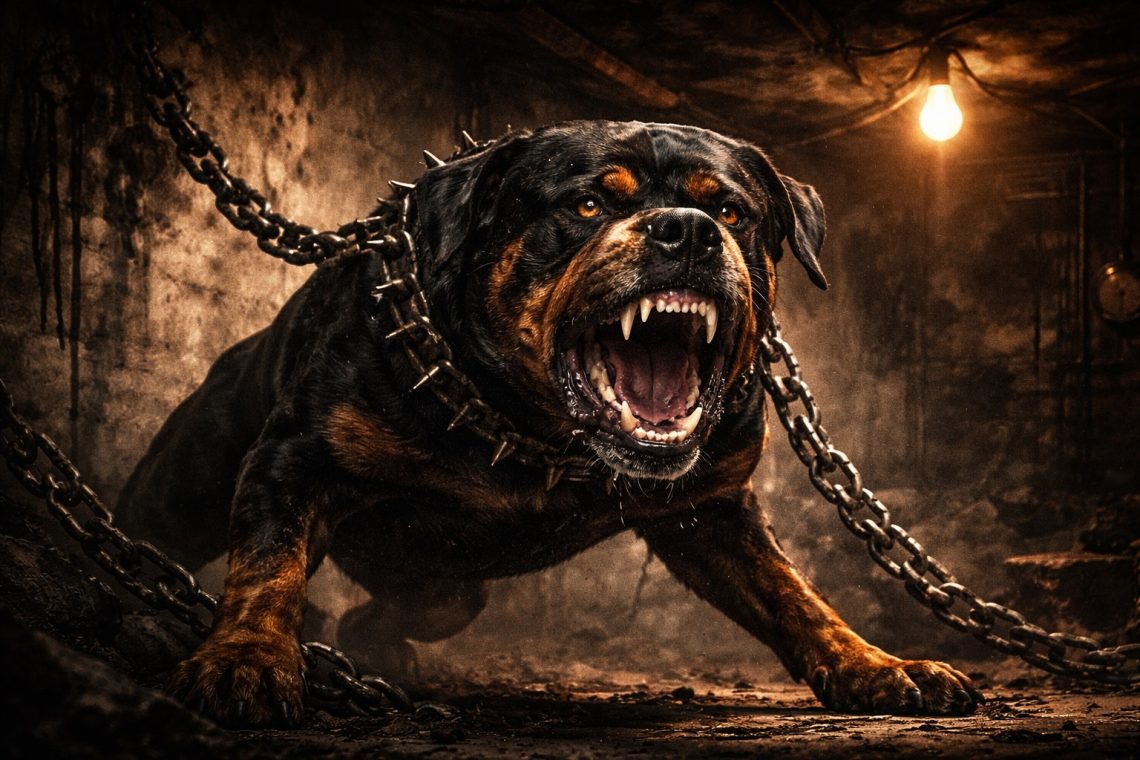
Reframing the “Dogs of War”
When I finally let the dogs of war slip, it’s not my worst self.
It’s my protector — the part of me that waited far too long to be allowed into the room.
The goal isn’t to kill that part.
It’s to stop chaining it in the basement until it tears the house apart.
This isn’t Regression — it’s Recalibration
I wasn’t bad at boundaries.
I was trained to delay them.
And now, slowly, intentionally, I’m learning when survival no longer requires silence.
That’s not dysfunction.
That’s healing.